The mission of the Dicastery for Communication is clear: to deliver the Pope’s messages and official positions to the world, accurately and faithfully. At the foundation of that mission lies the integrity of primary source materials.
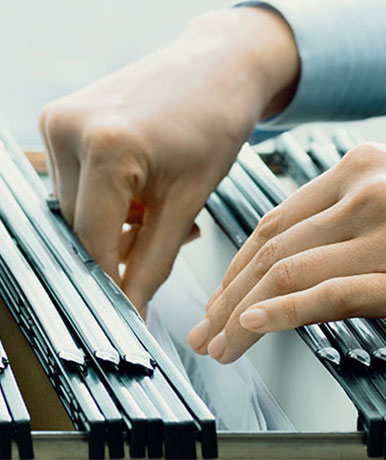
The Dicastery safeguards centuries of historical documents and photographs, rare bound volumes, ageing manuscripts, and unique archival images. These materials form the backbone of accurate reporting. However, the Dicastery faced a critical challenge. They needed to preserve these invaluable materials while also making them available quickly to media organisations around the world. In short, they had to achieve both preservation and accessibility, without compromise.
Reliability. Not just features.
What the Dicastery required was not simply document scanning capability. They needed a reliable, long term operational foundation.
Their requirements were clear:
The solution that met these requirements was PFU’s document scanners: the ScanSnap SV600 and the fi Series.
Enabling preservation and productivity, simultaneously
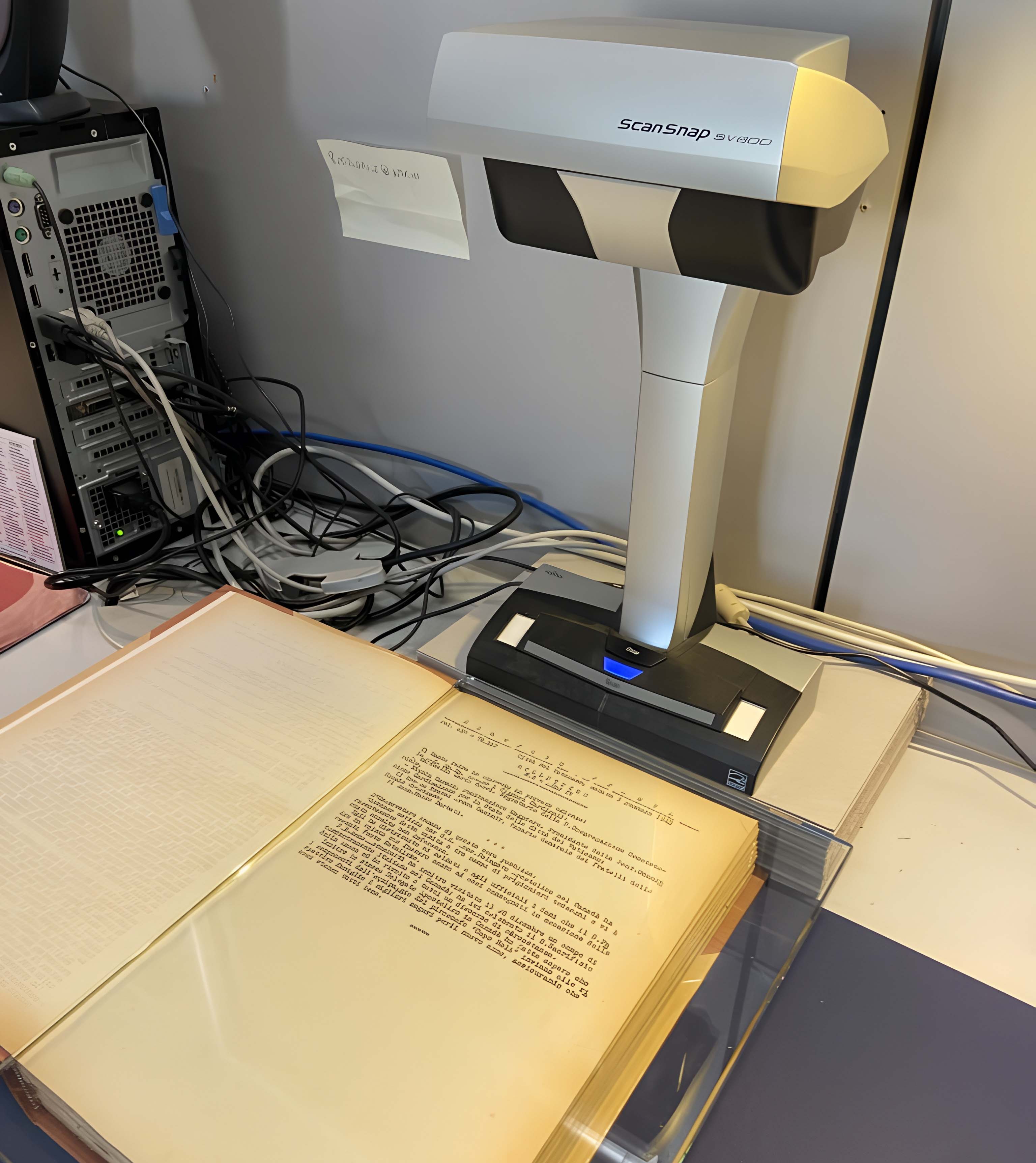
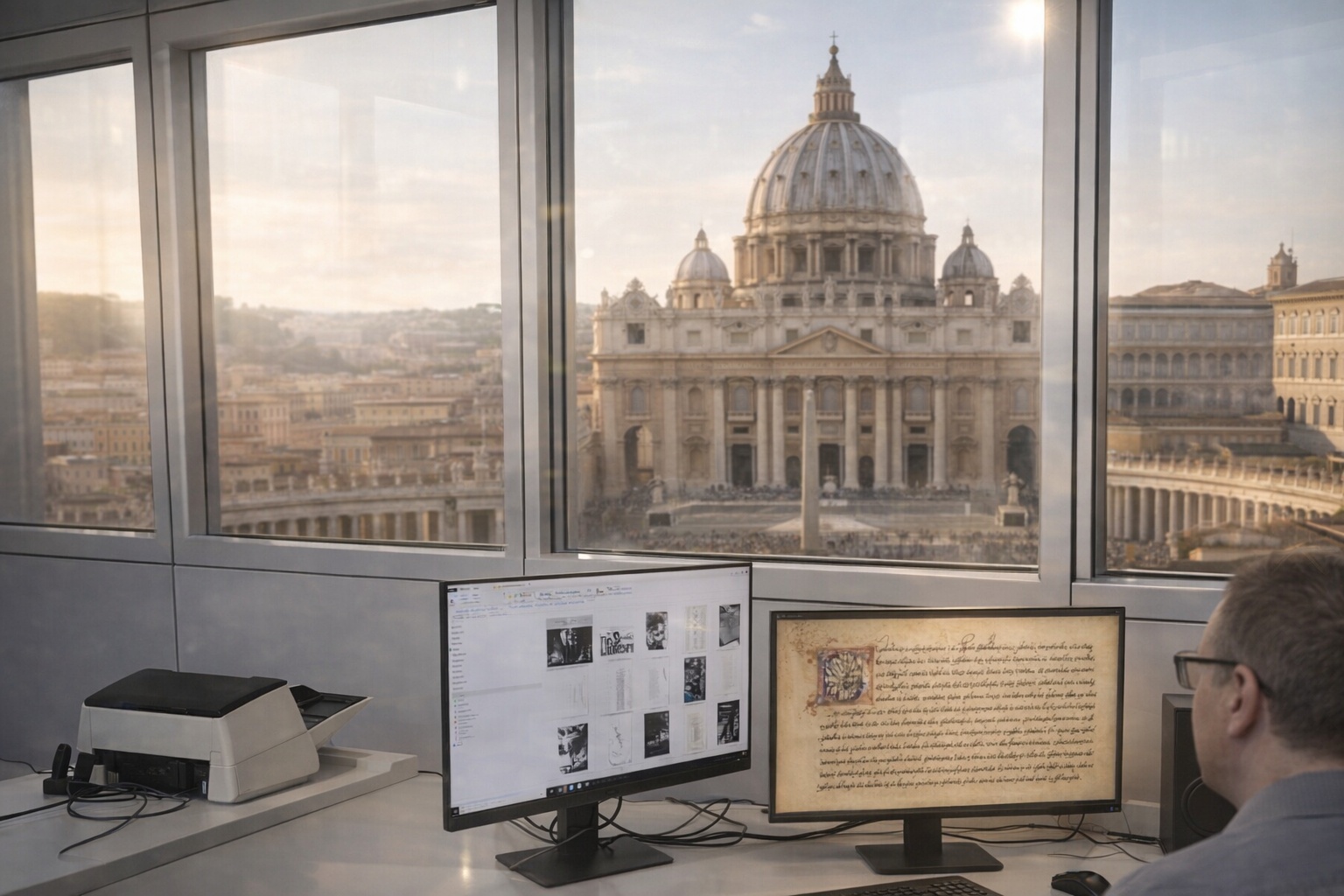
The ScanSnap SV600 digitises bound materials without the need for disbinding. It captures delicate historical documents in high definition without placing physical stress on the originals. At the same time, the fi Series processes large volumes of documents quickly and reliably, maintaining consistent throughput while delivering archival quality output.
Together, these devices form an operational infrastructure that enables the Dicastery to preserve the past while communicating in the present.
Embedded as core infrastructure
The Dicastery transitioned from paper centred storage to a digitally structured archive, enabling a more data driven mode of operation.
The results include:
Several years after implementation, the ScanSnap SV600 and fi Series continue to operate reliably. In parallel, a comprehensive digitisation initiative covering the entire library is under way, including the scanning of several thousand photographs. In the future, a selection of these images will be made available on the website, providing wider access to materials that are not currently open to the public.
Specifically, by using the ELO document management application (an enterprise document management system) in combination with Retrieval Augmented Generation (RAG) technology, the Vatican plans to scan photographs at 600 dpi to support more advanced archiving and information retrieval.
 “PFU’s document scanners are more than devices. They are part of our operational infrastructure. They support preservation, verification, and communication — everything we do.”
— Dicastery for Communication, Vatican City
What matters is not short term efficiency. It is long term reliability.
This challenge is not unique to one institution. National libraries, public archives, museums, universities, and government agencies around the world face the same reality: managing historical materials while delivering accurate information quickly.
It is not preservation or access. It is preservation and access. PFU delivers established document solutions that support both.
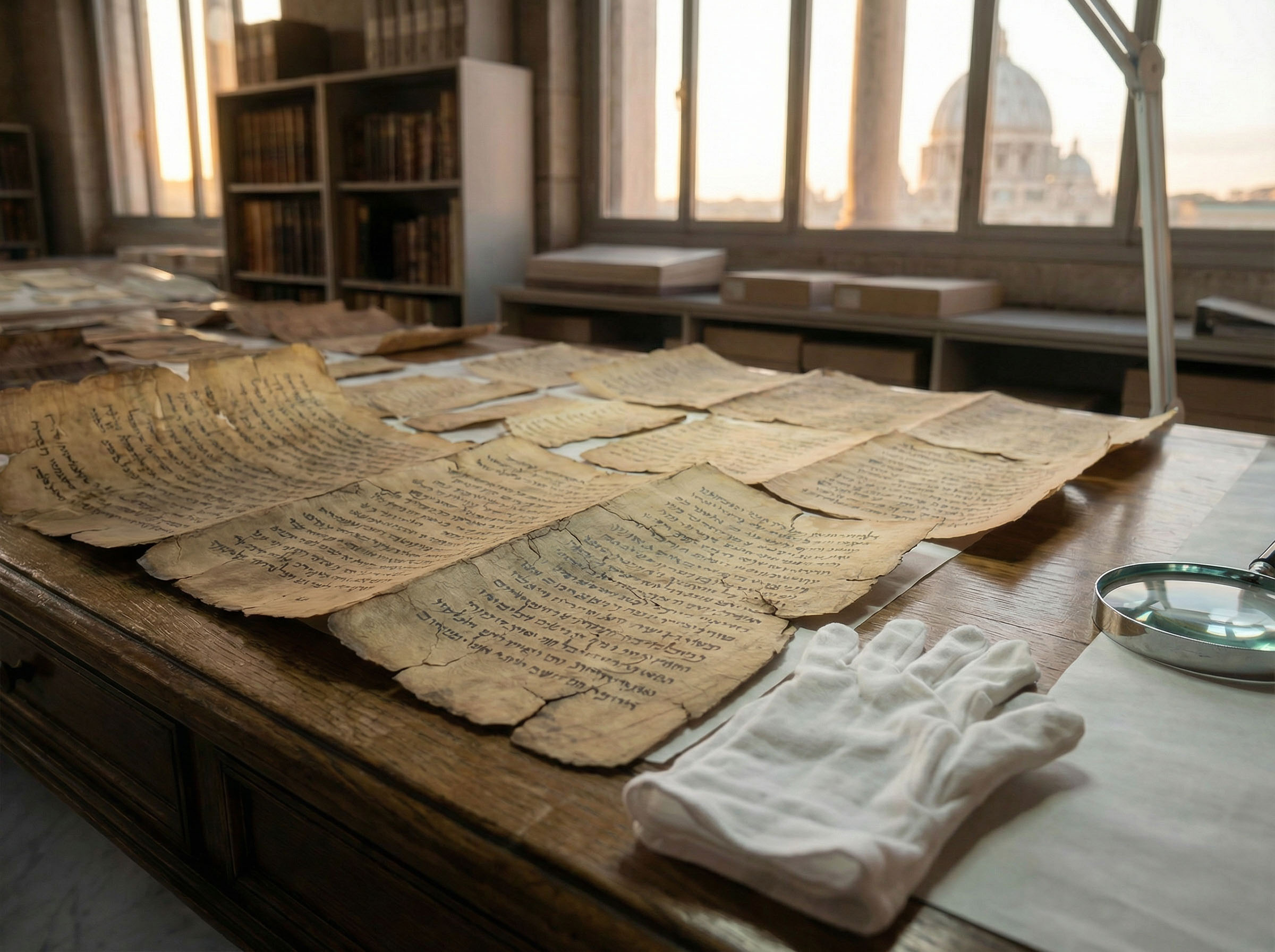
*Images shown are illustrative and may not represent the actual facilities due to security reasons. Some details have been modified to protect confidentiality.
“PFU’s document scanners are more than devices. They are part of our operational infrastructure. They support preservation, verification, and communication — everything we do.”
— Dicastery for Communication, Vatican City